
The Complete Shipping Container Buying Guide
Not sure which shipping container is right for you? This guide covers size, type, new vs used, modifications, and what to check before buying.

Cleveland Containers supplies new and used shipping containers for sale across the UK, ranging from 8ft storage units to 45ft containers, in standard, high cube, and specialist configurations.
Delivery is available from 20+ depot locations nationwide. Choosing the right container comes down to four things: size, condition, type, and whether any modifications are needed. This guide covers each decision in order.

What Size Container Do You Need?
Size is the first decision because everything else follows from it. Cleveland Containers stocks containers from 8ft to 45ft. Here is what each size is best suited for.
8ft containers are the smallest option and suit compact domestic storage, such as garden equipment, tools, seasonal items, where space on site is tight or access is restricted.
10ft containers are suited to small-to-medium storage needs on residential or commercial sites. A practical alternative to a shed where security and weatherproofing matter.
20ft containers are the most popular size stocked by Cleveland Containers. They handle the majority of commercial storage and site use cases like construction materials, equipment, stock, and are the standard unit for bespoke conversions. A 20ft standard container holds up to 10 standard pallets.
30ft containers are cut down from larger units and offer a practical middle ground between 20ft and 40ft. They suit sites where a 40ft would be too long but a 20ft is not quite enough.
40ft containers are the choice for high-volume storage and large scale site operations. A 40ft container holds up to 20 standard pallets and is available in standard and high cube configurations.
45ft containers are the largest size Cleveland Containers stocks, suited to bulk storage and operations where maximum internal volume is the priority.
For full internal and external dimensions across every size, see the Cleveland Containers dimensions page.

New or Used: What Is the Difference?
Both new and used containers supplied by Cleveland Containers are wind and watertight and inspected before sale. The choice between them comes down to condition expectations, intended use, and budget.
New (one trip) containers have completed a single cargo voyage and arrive in near-new condition. They are the right choice when appearance matters, for example, conversions, retail use, customer-facing sites, or any project where the container will be visible.
Used containers have completed multiple voyages and will show surface wear, denting, and cosmetic marks consistent with working life at sea. Structurally they remain sound. They are the practical choice for storage-only applications where condition is secondary to cost.
If budget is a consideration, the Cleveland Containers clearance page lists discounted stock updated regularly.

Container Types and Configurations
Shipping containers come in several configurations. The right type depends on how you need to access, load, and use the unit.
Standard (dry) containers are steel, weatherproof, and secure, and suit the majority of storage and site applications.
High cube containers share the same footprint as standard units but offer an additional foot of internal height (9ft 6in versus 8ft 6in). The right choice where vertical clearance matters, for tall equipment, racking, or any conversion that benefits from extra headroom.
For specific access, load, or use requirements, Cleveland Containers stocks the following specialist types:
Side opening containers have full-length doors along the side of the unit, in addition to standard cargo doors at the end. They give easy access to the entire floor area and suit operations where loading bulky or wide items through end doors alone would be difficult.
Tunnel containers have doors at both ends, allowing straight through access. Used on sites where pass-through loading is operationally useful.
Open top containers have no roof, allowing cargo to be loaded from above by crane or forklift. Used for oversized loads that cannot pass through end doors.
Refrigerated containers maintain a controlled temperature environment and are suitable for perishable goods and temperature-sensitive storage.
Flat pack containers are modular units that arrive in sections and are assembled on site. They suit projects where access for a full sized HIAB lorry is restricted.
50/50 office stores combine a secure storage area with an integrated office or welfare space within a single container footprint. A practical solution for construction sites that need both functions in one unit.
Offshore containers are built to DNV standards for use in marine and offshore environments.
Site accommodation units include offices, canteens, changing rooms, and toilet blocks, available in 20ft and 32ft configurations.
Chemical storage containers are built to safely store hazardous materials in line with relevant regulations.
Multistore containers provide secure storage through individual compartments within one compact unit, making them useful where multiple users, teams or items need to be separated.


Can You Modify a Container After Buying?
Cleveland Containers offers modifications through two routes depending on the scope of work required.
Cleveland XTRAS covers practical upgrades that can be added to a standard container: personnel doors, windows, electrics and lighting, insulation and ply lining, racking, painting, and Grafo Therm anti-condensation coating.
Bespoke containers cover projects that go beyond standard modifications: workshops, catering units, retail units, training facilities, switchgear containers, and full custom builds. Cleveland Containers has an in-house conversions team that takes projects from initial specification through to delivery. Modifications can be discussed and specified at the point of enquiry.
See our case studies for examples of completed projects.

How Much Does a Shipping Container Cost?
Shipping container prices vary depending on size, condition, and your location relative to the nearest Cleveland Containers depot. Smaller units are not always cheaper: 8ft and 10ft containers can cost as much as a 20ft because of the higher cost of shipping compact units internationally.
The main variables that affect price are:
- Size: larger containers generally cost more
- Condition: new (one trip) containers cost more than used; both are wind and watertight
- Specialist type: refrigerated, offshore, and bespoke units are priced on specification
- Delivery: the distance between your site and the nearest of Cleveland Containers' 20+ depot locations affects the delivery element of the total cost
- Modifications: any XTRAS or bespoke work is priced in addition to the container
For accurate pricing on the size and type you need, get a quote
For a broader overview of what drives container costs, read our Understanding Shipping Container Costs guide.

Buying a Container on Finance
Cleveland Containers offers flexible finance options on purchases, allowing you to spread the cost rather than paying in full upfront. This is available on both standard and specialist units and only applicable on orders around £7,500 and above. For details, see the Cleveland Containers finance page
What to Check Before You Buy
Before confirming an order, run through the following.
- Condition. If appearance is a key concern we recommend you use, new (one trip) containers . For storage only, used is almost always sufficient. Raise any specific condition requirements with the Cleveland Containers team before ordering.
- Wind and watertight standard. All Cleveland Containers units, new and used, are supplied wind and watertight. This is the confirmed baseline standard for every container supplied.
- Security. New (one trip)containers come with a lockbox fitted as standard, protecting a padlock from attack. Lockboxes can also be added to used units for an additional charge. Additional measures such as CCTV, fencing, and perimeter controls are the buyer's responsibility and depend on site
requirements. - Site access. Most containers are delivered by HIAB lorry, which requires reasonable access and a stable, surface. If your site has restricted access, discuss this before ordering. For full guidance on preparing your site, see the Cleveland Containers delivery guide.
- Planning. Containers are classed as temporary structures and in most instances are not subject to planning erquirements. Circumstances vary and it is always
advisable to check with your local planning authority before siting a container. Cleveland Containers cannot provide planning advice. Read our planning permission blog for more information.

FAQs
The 20ft standard container is the most commonly purchased size from Cleveland Containers, suited to commercial storage, construction sites, and conversions. Available in new and used condition.
Containers are classed as temporary structures and do not require planning permission in most situations. Rules vary by location and intended use, so checking with the local planning authority is always advisable.
Delivery timescales depend on size, location, and stock availability. For accurate lead times, contact the Cleveland Containers team directly when requesting a quote.
Yes. Cleveland Containers supplies standard and high cube containers that can be stacked using twist lock pins to secure them safely.
Let's Get Your Container Sorted
Get clear options, fast pricing, and straight answers.
You may also be interested in...
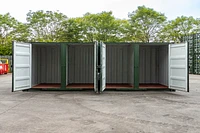
Understanding Shipping Container Costs
How much for a shipping container? Read our blog to discover the factors affecting the cost of shipping containers, from type and size to demand and location.

Next Steps Guide to Purchasing a Container
You’ve received your quote - now what? We make ordering a shipping container simple and stress-free, from confirmation to delivery.
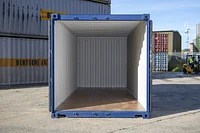
How to Choose the Right Size Shipping Container
Not sure what size shipping container you need? Cleveland Containers explains every size from 8ft to 45ft and what each one is best suited for.